Insights · Theft and loss · 2 min read
Construction equipment theft: what tracking can and cannot do.
Tracking does not stop a thief, but it changes two things. A hidden 4G tracker on a high-value machine shows where it went after it left. Tags on attachments and tools show sooner that something is missing. Fences, locks, marking and good habits on site still do most of the preventing.
By Maarten Tak · · Updated
Most writing about equipment theft promises that a tracker will get your machine back. Sometimes it does. But tracking is one layer of several, and it helps more with some kinds of loss than others. It is worth being clear about which.
Two kinds of loss
Equipment goes missing in two ways, and they need different tools.
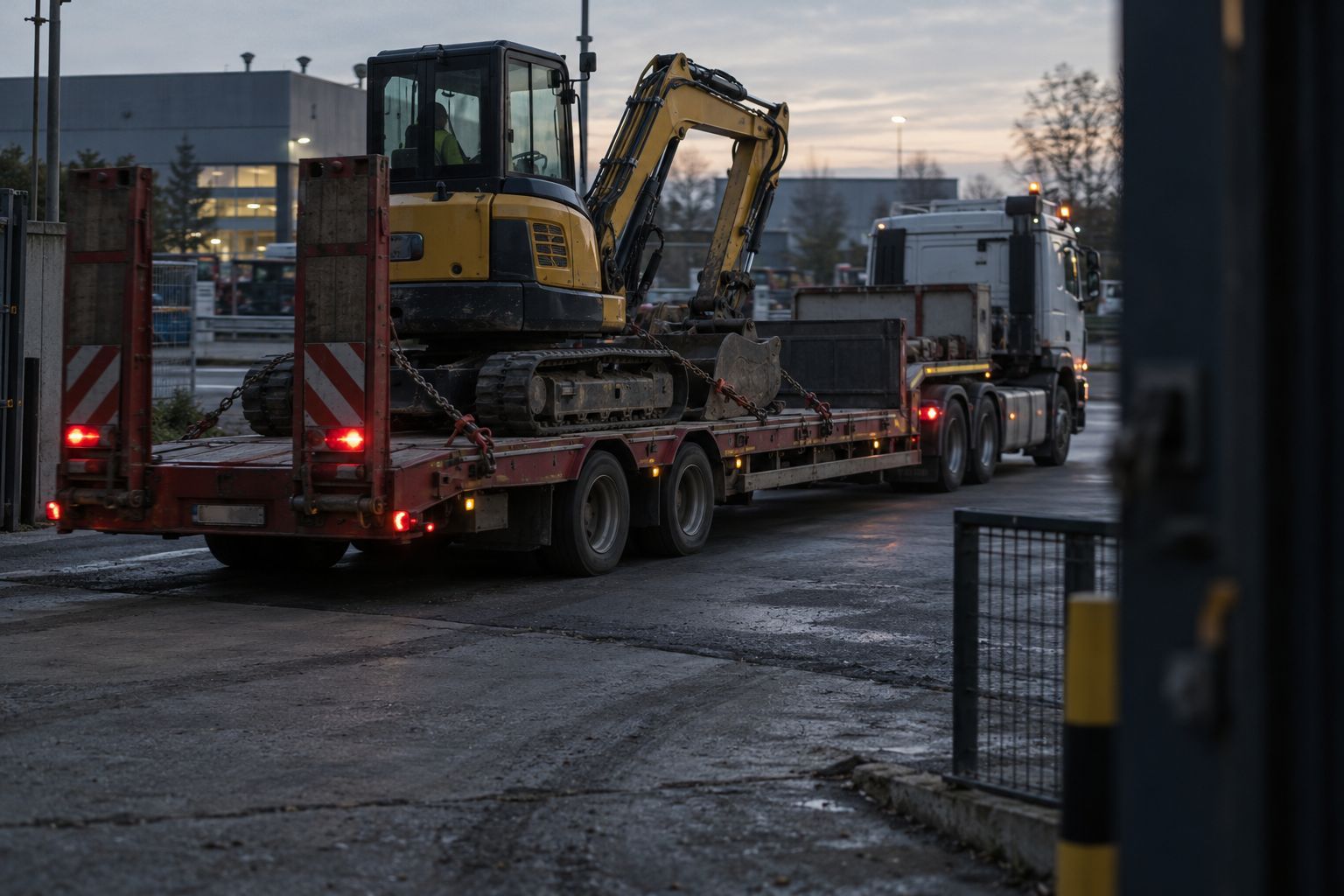
Theft of machines. A mini excavator or a telehandler disappears from a site overnight. It is high value, it is moved on a truck, and time matters.
Slow loss of everything else. A breaker stays on a site after the job. A generator ends up at a subcontractor’s yard. A box of tools is never returned. None of these feels like theft at the time, and it often turns out at the next count that something has gone.
The second kind is less dramatic and, on many fleets, it adds up to more.
What GPS trackers do for machine theft
A GPS tracker reporting over 4G keeps working after the machine leaves. It needs no phone or gateway nearby. For theft, a few things make it more useful:
- Hide it. A tracker in an obvious spot gets removed first.
- Set alerts. A movement alert outside working hours tells you within minutes, not the next morning.
- Know who to call. Have the serial number, photos and tracker access ready to share with the police.
Hirro can show live trackers next to everything else, or read the data from trackers you already have.
What tags do for slow loss
Bluetooth tags are the wrong tool for following a stolen machine down a motorway. They only report when a phone or gateway is near.
They are the right tool for slow loss. Every time a tag is heard, it confirms the asset is where you think it is. When an asset has not been heard for a set time, for example 48 hours, it shows up on a list. Instead of finding the gap at the yearly count, you find it while the site still remembers what happened.
On a rental yard, a gateway on the low loader adds one more check: it records which attachments left with which machine, and flags what did not come back.
What tracking does not replace
Prevention still comes from the basics:
- Fenced and lit yards and compounds.
- Locks, immobilisers and keys that are not left in the cab.
- Visible marking with your company name and asset number. In the UK, the CESAR scheme combines tamper-evident ID labels with a database every police force can check.
- Equipment brought back or locked away at the end of the job, not left on an open site.
Tracking makes the losses you could not prevent visible sooner, and gives you a better chance with the ones that are moving.
A practical mix
For most contractors and rental companies, a sensible setup is:
- Hidden 4G trackers on the machines most worth stealing.
- Bluetooth tags on attachments, tools and smaller equipment.
- A daily list of what has not been heard, checked by someone who can act on it.
Questions
Does a tracker prevent equipment theft?
Not on its own. Physical security prevents theft. A tracker helps after the fact, by showing where a machine went, and visible marking can make equipment less attractive to steal.
Which tracker helps recover a stolen machine?
A GPS tracker that reports over 4G and is hidden on the machine. It keeps reporting on the road, without a phone or gateway nearby.
How do tags help with lost attachments and tools?
Every tag that is heard confirms the asset is where it should be. Assets nobody has heard for a set time land on a list, so you notice a loss in days instead of at the next stock count.